Choosing high security locks for an Orlando business is not just about hardware, it is about shaping daily operations and risk tolerance. You will see how I weigh door construction, access patterns, and budget when specifying cylinders, deadbolts, and key systems. You will also find cues for coordinating with a commercial locksmith for rekey locks, master key system design, and smart lock installation without disrupting business.
Orlando risk patterns and how they shape lock choices
From pried aluminum doors to bumped residential-grade knobs on back offices, repeat themes dictate smarter specifications. Budget deadbolts with thin bolts and shallow strikes invite quick failures when the jamb splits. A reinforced strike with long screws into the framing, paired with a solid deadbolt, turns a 10-second attempt into a loud, risky mess.
Key control is the second pillar many owners overlook until a turnover or theft forces a change. Restricted key systems stop big-box duplication, so every key is accounted for through a licensed locksmith Orlando FL shop.
What matters at each door before you buy
I start at the perimeter and work inward, because the strongest interior lock cannot compensate for a flimsy front door. Hollow metal doors at loading docks often call for heavy-duty deadlatches or exit devices with exterior trim and a high-security cylinder.
If the door sees a few dozen cycles per day, it can use a different design than a door that sees several hundred. A back office that opens 20 to 40 times daily can thrive with a Grade 1 deadbolt and a quality lever with a clutch.
Security that traps people inside is not security at all, and the fines for noncompliance are real. If you need an exit device, we pair it with cylinder-controlled exterior trim, not a thumb-turn that can be reached through broken glass.
Which hardware types I lean on and why
High-security cylinders are the brains of the system, and the better ones add physical hurdles that simple tools cannot bypass. Anti-drill plates and spinner caps protect the face, and a thick tailpiece avoids torque failures.
Deadbolts carry the heavy load at many offices and interior security doors. If glass sits within arm’s reach, I skip thumb-turns in favor of double-cylinder setups only where code allows, or I move to keyless entry locks with interior egress.
Mortise locks shine on high-traffic storefronts and office suites where durability beats simplicity. With a proper template and a square door, a mortise lock feels solid, which discourages casual tampering.
Blending electronic access with restricted keys without drama
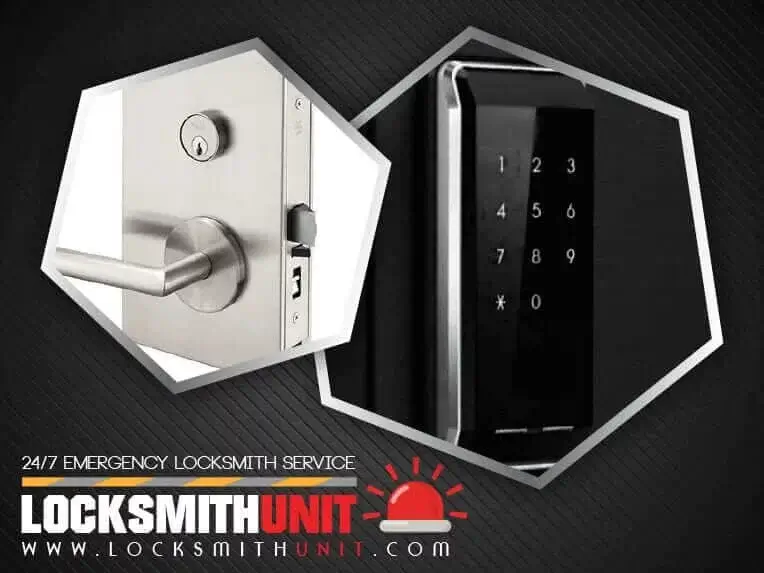
I treat smart lock installation as another tool, not a replacement for fundamentals. In retail, a smart lever on a stock room can log entries and cut losses from curiosity or shortcut habits.
A 24/7 locksmith Orlando team can bail you out, but prevention is cheaper. If your site lacks clean power or stable Wi-Fi, favor standalone locks with local codes over cloud-dependent models.
I avoid putting every door on the network, because critical spaces benefit from redundancy. A master key system can mirror your electronic access groups, so policy stays consistent across platforms.
How to build a master key system that scales without leaks
Cleaning up that mess costs more than doing it right from day one. Front-of-house, back-of-house, cash handling, IT, and management each map to a key level.
Restricted keyways pay for themselves by stopping casual duplication. If the count drifts, you can rekey locks along a branch rather than the entire tree, saving downtime and money.
A realistic service level might be 24 to 72 hours depending on door count and key complexity. Have management schedule a brief lock replacement window, and communicate it so no one gets stranded.
What I change first on glass-and-aluminum entries
Thieves know how to flex the door near the lock and pop a tired latch cleanly. Continuous hinges stop sag that misaligns the strike https://rentry.co/k5oqdo9p and makes latching inconsistent.
If you insist on a turn for convenience, keep glass farther than an arm’s reach or install security film to resist quick breakage. A night latch position with the interior dogging removed prevents a broom handle attack.
Criminals dislike feeling watched, even by a lens. Hardware plus visibility multiplies your protection more than either alone.
Back doors, side doors, and loading docks that hold firm
I pick hardware with generous tolerances and strong returns to survive real life. If the frame is rusted at the base, I flag it for repair before installing anything new.
Access control on docks should be simple to manage. Pin vendors to a timed code that changes weekly or a limited submaster checked out per delivery day.
A swollen sill can rob a latch of the last millimeter it needs to seat, causing false lockouts. A balanced closing speed, a kick plate, and a door sweep make daily use smoother and safer.
Adapting apartment-grade doors for business risk
Those assemblies can be upgraded, but they have limits you should respect. A peephole or viewer near the lock lets staff verify visitors before unlatching.
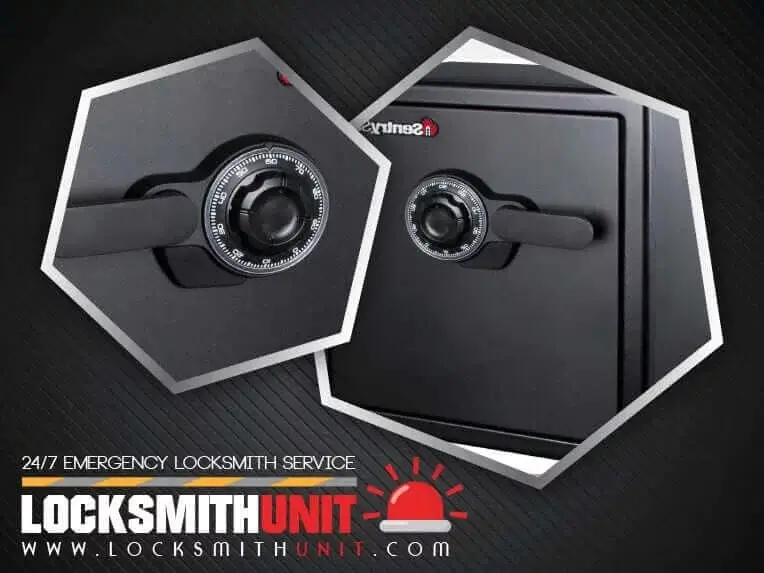
Side lights and nearby windows complicate thumb-turn choices. If you cannot upgrade the door, move valuables to a locking cabinet or safe that a safe locksmith can anchor.
A bright approach and trimmed landscaping reduce cover for anyone working the lock. Control beats confrontation when it comes to low-level losses.
Why car keys and gates belong in the same conversation
If staff cannot get in or out smoothly, they will invent workarounds that weaken security. A single key control log for fleet and facility keeps things simple.
I standardize on high-security padlocks keyed to the same restricted system where possible. A broken key extraction on a dusty gate is a call I would rather you never need to make.
Preventing lockouts is about habits and small details. Teach closing staff to test the door after locking and to avoid propping using latches.
Safe storage, cash handling, and after hours routines
I treat the path from register to safe as a distinct security zone. Train two-person closes where one watches while the other deposits.
The main safe deserves the same rigor as your door locks. If a safe opening becomes necessary, a professional can preserve integrity so repairs stay minimal.
When something trips at 3 a.m., you want to know whether it is a loose latch or a forced entry. Video that catches hands and locks, not just faces, helps with both insurance and process improvement.
Keeping business running during upgrades
Most projects finish in staggered windows, one door at a time, to keep flow steady. A typical two-door upgrade with new deadbolts, cylinders, and strikes takes about 90 to 150 minutes if the frames are sound.
Having decision-makers present, cleared work areas, and pre-approved key counts prevents pauses. A brief training for staff on new levers or readers reduces calls the next week.
I have opened frames to discover shims, cracked welds, or previous bore holes that demand adjustments. If the door or frame is beyond a marginal fix, I will say so plainly and quote a proper repair.
Keeping locks smooth so security stays invisible
Respond early and you avoid emergencies. Tighten loose screws, adjust closers, and check strikes for contact.
An office lockout during business hours is urgent, but not a 2 a.m. emergency. If you suspect a key is lost with identifying info, request a rekey or lock replacement rather than a simple unlock.
Upgrades should follow wear patterns and incidents, not fads. That cushion keeps you from choosing the cheapest fix under pressure.
Real-world scenarios from Orlando jobs
The fix was a latch guard, a mortise deadlatch with a high-security cylinder, and a closer tune. Sometimes the best compliment is nobody mentioning the door again.
A warehouse near the airport had vendor codes that never changed and keys that floated. An audit took 15 minutes instead of a scavenger hunt.
A co-working space tried to go all-in on app-based locks without stable internet. Redundancy turned frustration into reliability.
Cost, value, and how to phase upgrades without pain
Then you build layers as time and budget allow. Phase one on most sites is cylinders, strikes, and at least one Grade 1 deadbolt on the most sensitive door.
Mortise hardware costs more upfront but often lasts longer under heavy use. Emergency locksmith rates are higher after hours, which is another reason to schedule planned work.
If staff trust the door to latch every time, they stop wedging it open. A measured plan beats a panic purchase after a break-in.
Lockouts, break-ins, and same-night stabilization
I keep a short procedure for clients to follow before and after an emergency locksmith arrives. Third, call your 24 hour locksmith with the door type, problem, and decision authority ready.
Temporary hardware is a bridge, not a destination. Documentation includes the new key serials and a brief incident log.
After the event, tighten processes, do not just replace parts. That mindset turns emergencies into catalysts for better security.
Final thoughts from the field for Orlando owners
You harden doors, control keys, and maintain what you install, then you sleep better. Lean on a commercial locksmith for design, a residential locksmith for mixed-use quirks, and an automotive locksmith for fleet keys.
Staff stop thinking about locks and focus on customers. Either way, the payoff is a storefront or office that stays open, secure, and calm, even when the city throws surprises your way.